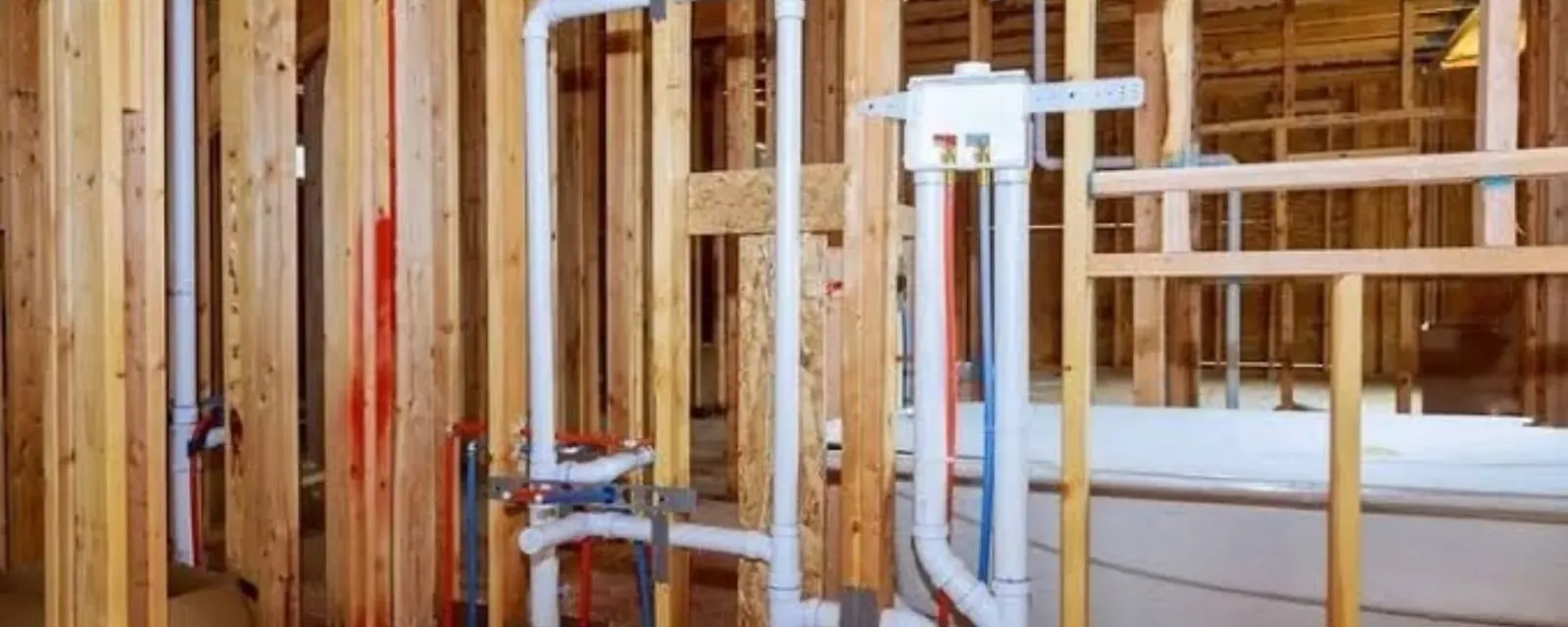
A clogged plumbing vent pipe causes gurgling drains, slow draining fixtures, toilets that bubble when another fixture runs and sewer smell inside the house. The vent is the pipe that rises through your roof and lets air into the drain system so water can flow freely. When it blocks, the drains pull air through the traps instead, and you hear it.
Debris, a bird nest, a stuck ball or a layer of frost can block the top of the pipe. Rust or a collapsed section can narrow it lower down. This guide helps you separate a vent problem from a drain clog, shows what you can check safely and explains when a licensed plumber should take over.
Symptoms that point to the vent
No single sign proves a blocked vent, but a pattern does. Look for two or more of these at once.
- Gurgling from sinks, tubs or floor drains. Air is being pulled through the water in the trap because the vent cannot supply it.
- Slow drainage at several fixtures. One slow drain suggests a local clog. Many slow drains suggest a vent or main-line issue.
- Toilet bubbles when you run a sink or the washer. Air displaced by draining water has nowhere to go but the nearest trap.
- Sewer smell in the bathroom. A siphoned trap loses its water seal, and gas can enter the room.
- Toilet flushes with a weak or sluggish swirl. A vacuum behind the water slows the flush.
- Drains work fine, then slow after a cold night. Frost at the roof opening narrows the pipe until the day warms up.
If the toilet or tub shows sewage rising, that is not a vent symptom. Treat it as a sewer backup and call a plumber right away.
Vent clog or drain clog
The two problems share symptoms. The table shows the differences that help you point to the right one before you call.
| What you notice | Blocked vent | Blocked drain line |
|---|---|---|
| Which fixtures are affected | Several, in different rooms | One fixture, or those on one branch |
| Sound | Gurgling, glugging, sucking noise | Little noise, water stands in the bowl |
| Timing | Worse when another fixture drains | Constant and gets worse with use |
| Smell | Sewer smell from siphoned traps | Usually none unless water backs up |
| Fix | Clear the vent from the roof or lower access | Snake or jet the drain |
A plumber can often tell which it is by listening and running water at several points. If the answer is a drain clog, our drain cleaning service clears it.
What blocks a vent
The top of the pipe is open to the weather, so most blockages start there. Leaves and twigs pile into the opening. Birds and squirrels build nests inside the stack. A ball can drop in and wedge itself against a bend.
Cold weather adds another cause. The Chicago-area January average low is 18.8 degrees Fahrenheit according to National Weather Service normals for O'Hare, and February's is 21.8. On a freezing night, warm moist air from the house can condense and freeze at the rim of a small vent until only a thin opening remains.
Gurgling drains that will not quit?
Call (773) 207-0518 and describe the sounds and the rooms. Same-day appointments are available when the schedule allows.
How a plumber checks and clears a vent
The usual process has a few clear steps, and none of them require tearing into a wall at the start.
Listen and test
The plumber runs water at several fixtures and listens for gurgling to narrow down the branch.
Inspect the roof opening
With roof safety gear, the plumber looks down the stack with a flashlight and checks for debris, ice or a nest.
Clear the obstruction
A drain snake or a garden hose with a spray nozzle is fed down the vent to break up and flush debris.
Camera check if needed
A small camera shows rust, collapse or a hidden bend if clearing does not restore flow.
Retest the fixtures
The plumber runs water again to confirm the gurgling is gone and the traps hold water.
Do not climb an icy or steep roof
Roof falls cause more injuries than the clog itself. Do not go up in winter, in rain or on a steep pitch. A vent stack often sits near the ridge, which is the hardest spot to reach.
From the ground, use binoculars to check the vent opening for frost, leaves or a nest. If you see a blockage, call a plumber who works at height every day.
What older homes bring to the problem
About 64.7% of Blue Island housing was built before 1970, and the median build year is 1961. In houses that age, vent stacks may be cast iron or galvanized steel, which can rust from the inside and narrow over decades. The pipe may also pass through attic or wall space that a past remodel has changed.
A camera inspection shows what is inside. Our sewer camera inspection service can examine the main drain and branch lines, and a clear picture tells you whether you need a cleaning or a replacement. Where roots or heavy buildup are in the main line, hydro jetting scours the pipe wall clean.
Quick checks you can do safely
These steps do not need a ladder or special tools.
Run water at each fixture
Note which ones gurgle or drain slowly. Write down the rooms.
Pour water in a dry floor drain
A dry trap lets sewer gas rise. Refill it and see if the smell fades.
Look up from the yard
Check the roof vent for frost, leaves or a nest, using binoculars.
Avoid chemical cleaners
They do not reach a vent, and they can harm pipes and anyone who works on them later.
When to call a plumber
Call if gurgling returns after a quick fix, if the smell persists or if more than one fixture is slow. Call at once if you see sewage coming up a drain. Describe where you hear the noise and which fixtures are affected, and the plumber can plan the visit. Call (773) 207-0518 to arrange it.
Neighbors in Alsip and Riverdale run into the same winter vent problems. The Illinois Plumbing Code (77 Ill. Adm. Code 890) governs vent design, so a licensed plumber knows how a stack should be sized and terminated.
Blue Island, IL: what local homeowners should know
Most of Blue Island is served by a combined sewer system, which carries household waste and storm runoff together. That matters for diagnosis. Gurgling during a heavy storm may come from a loaded sewer, not a blocked vent, so note whether the noise follows rain.
Housing age points to vent materials worth inspecting. The CMAP snapshot shows 28.8% of units were built before 1940 and another 35.9% between 1940 and 1969. In homes from those years, the vent stack is often original.
Winter normals from the National Weather Service at O'Hare show January lows averaging 18.8 degrees Fahrenheit, which is cold enough to build frost at small vent openings.
Questions homeowners ask
It can make a toilet flush slowly and bubble, but a true backup with sewage rising usually means a blocked drain or sewer line. If waste comes up, stop using water and call a plumber.
Frost can close in the opening of the roof vent on freezing nights. Once the day warms, the frost melts and the gurgling stops. A plumber can look at the opening and discuss options.
The immediate risk is sewer gas entering the home when traps lose their water seal. The smell is unpleasant, and it signals a problem to fix. If you smell natural gas, leave the building and call the gas utility or 911.
Plumbers sometimes flush a vent with a hose, but the job takes roof access. The risk of a fall is real, so leave it to a professional if the roof is steep, wet or icy.
Yes. Most of the city is on a combined sewer system, so heavy rain can load the sewer and push air back through traps. If the gurgling follows storms, mention that to the plumber.
Yes. The 24/7 emergency line is open when sewage is backing up or drains stop. Stop running water, keep clear of the affected drain and stay off wet floors near electrical outlets.