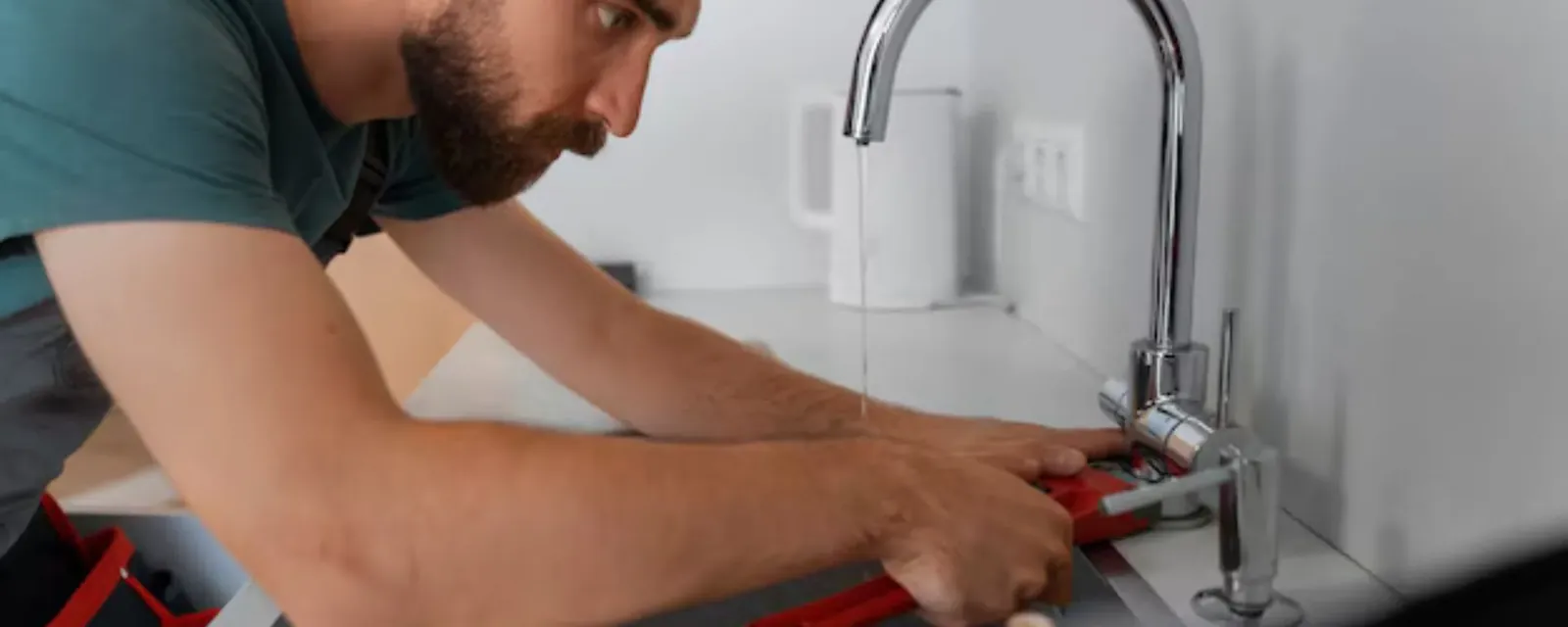
Kitchen Faucet Repair in Blue Island, IL: What You Can Fix and What to Hand Off
Most kitchen faucet drips come from a worn cartridge or seat. See how to find the cause, what to try first, and when a Blue Island plumber should take over.

Practical write-ups on the problems older Illinois homes actually have.
These guides answer one question at a time. Each starts with the short answer, then explains the reasoning, what a homeowner can safely do and when a call to a licensed plumber is smarter. We write for people standing in a wet basement, not for search engines.
Where a local fact helps, we use one with a source behind it, such as Blue Island's combined sewer system or the age of its housing. If we cannot verify a number, we leave it out.
The guides fall into a few groups. Drain and sewer posts explain backups, slow lines and why storms push water into basements. Water heater posts cover signs a tank is failing and what to check before you replace it. Leak posts show how to read a water meter, spot hidden water and decide when to call.
We also write about planned projects, such as repiping and sump systems, where the real work happens before anyone picks up a tool. That means choosing materials, pulling permits through the city and understanding what each option costs.
Every post is written for a specific question and place. There are no generic templates and no stock paragraphs that appear on every page. If a post names a cost, it explains the factors behind it instead of quoting a dollar figure that may not fit your job.
Posts also separate what is safe to try from what is not. You can plunge a toilet. You should not open a sewer cleanout in a flooded basement.
If water is moving, do these first and read afterward.
Blue Island sits on a glacial bluff south of Chicago, and its older neighborhoods around Olde Western Avenue and Uptown date from well before today's plumbing codes. That history is one reason older materials such as cast iron and galvanized steel are still in some walls. The guides keep local color short and always tie it to a decision you can make.
The Illinois Plumbing Code, 77 Ill. Adm. Code 890, and the Illinois Plumbing License Law, 225 ILCS 320, are the two standards we cite most. We cite them as references for homeowners, never as proof that any one plumber is qualified. Check a licence yourself with the state lookup run by the Illinois Department of Public Health.
Topics come from the problems that show up most often in older Chicago-area homes. A blocked toilet, a tank that stops making hot water and a damp basement after heavy rain all rank high. We also pick subjects where a wrong guess costs money, such as cutting into a wall before you know where a leak starts.
A good topic has a clear first step, a point where a homeowner should stop and a plain explanation of what a plumber does next. If a subject cannot meet that test, we leave it out. The result is a short list of guides that each earn their place.
Use this table as a quick filter. It is not a substitute for looking at the problem in person.
| Situation | Reasonable to try first | Call a licensed plumber |
|---|---|---|
| Slow single sink | Plunger or a hand drain snake | Several fixtures slow at once, or gurgling sounds |
| Dripping faucet | Shut the supply valves and check the cartridge or washers | Corroded valves that will not close, or a leak inside the wall |
| Water heater with no hot water | Check the breaker or pilot, and the temperature setting | Leaks at the tank, rust-colored water or any gas smell |
| Wet basement floor | Move belongings, switch off power to wet areas only if you can do it safely from dry ground | Sewage, a spreading puddle or water near the panel |
| High water bill | Read the meter with all fixtures off, then check toilets | A meter that keeps moving after you have checked everything |
When a guide mentions Blue Island, the fact comes from a public source, such as city pages, Census data or a state agency. We do not guess at water chemistry, permit rules or utility details. If a source does not state something, the guide tells you to ask the city or test your tap instead.
Standards are named so you can look them up. The Illinois Plumbing Code is 77 Ill. Adm. Code 890, and JULIE (811) handles utility locates before any digging. Use those names when you talk with a contractor or the city.
A few rules apply to almost every plumbing problem, whatever the guide says.
Leave the building at once and call the gas utility or 911 from outside. Do not flip switches on the way out.
Stay away from wet outlets, cords and the breaker panel. Wait for a professional if the panel is wet.
Tank water can scald. Let a heater cool and shut off its power or fuel before opening any part.
Backup water carries bacteria. Keep children and pets away, wear gloves and call for help with the line.
If you already know the problem, go straight to the matching service page. Leak detection, toilet repair and sump pump service each explain symptoms, methods and cost factors for that job. Our guides link out to those pages, so you can move from reading to a booked visit in one step.
If you are not sure what you are looking at, describe it to a dispatcher on (773) 207-0518. A few questions about sounds, smells and where the water appears usually point to the right service.
A guide cannot see your pipes. If water is spreading or sewage is backing up, skip the article and call (773) 207-0518. Our emergency line runs 24/7.
For planned questions, our plumbing services page matches symptoms to fixes, and drain cleaning and water heater repair are the two most common starting points. To see how we work, read the about page.
Most kitchen faucet drips come from a worn cartridge or seat. See how to find the cause, what to try first, and when a Blue Island plumber should take over.
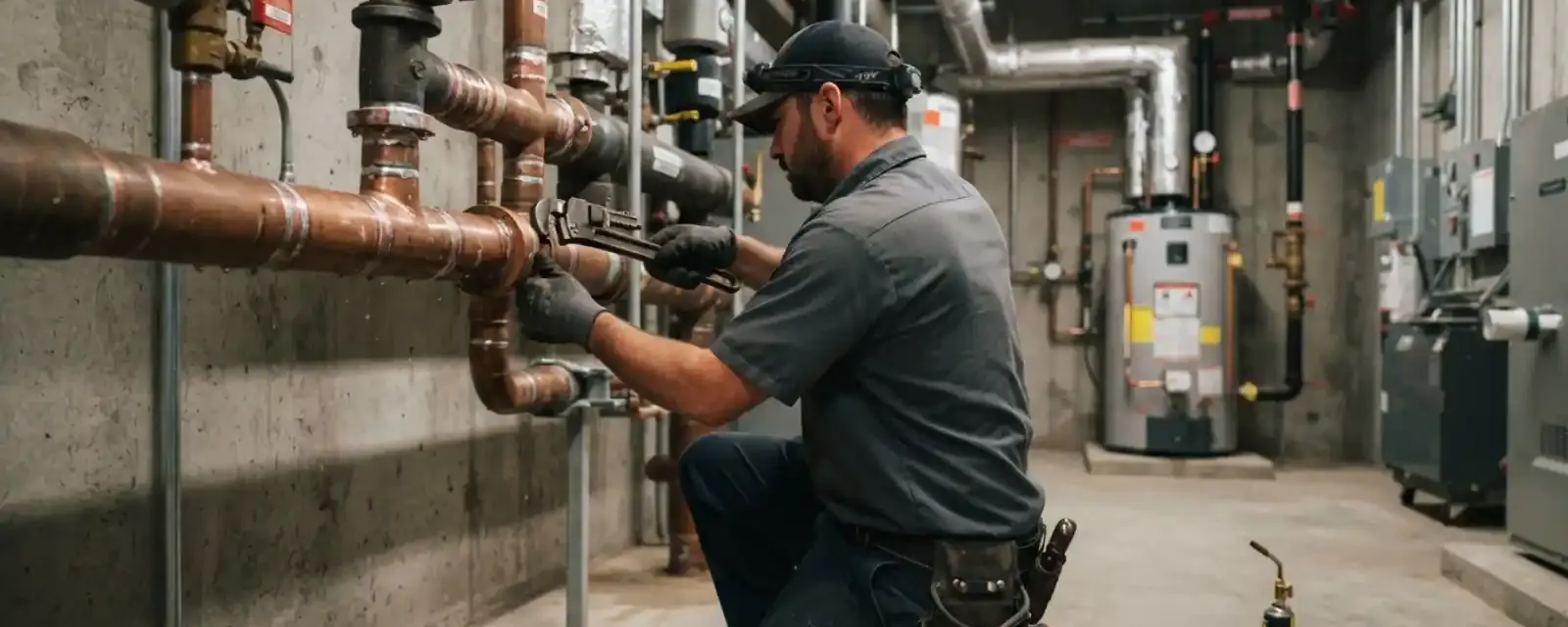
Type K, L, M and DWV copper each have a color code and a job. Learn where each is used and what Blue Island's older homes mean for your pipes.
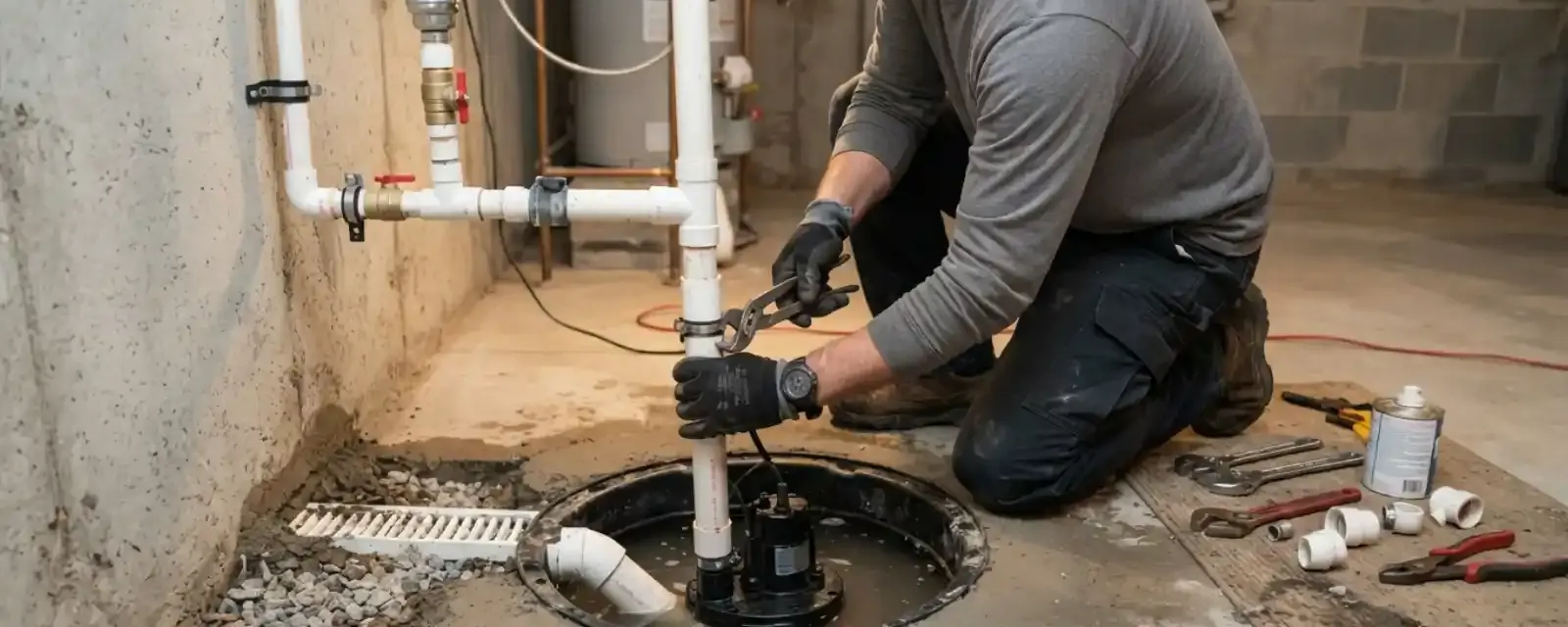
How a submersible sump pump gets installed in a Blue Island basement, what it costs in decisions rather than dollars, and when to call a licensed plumber.
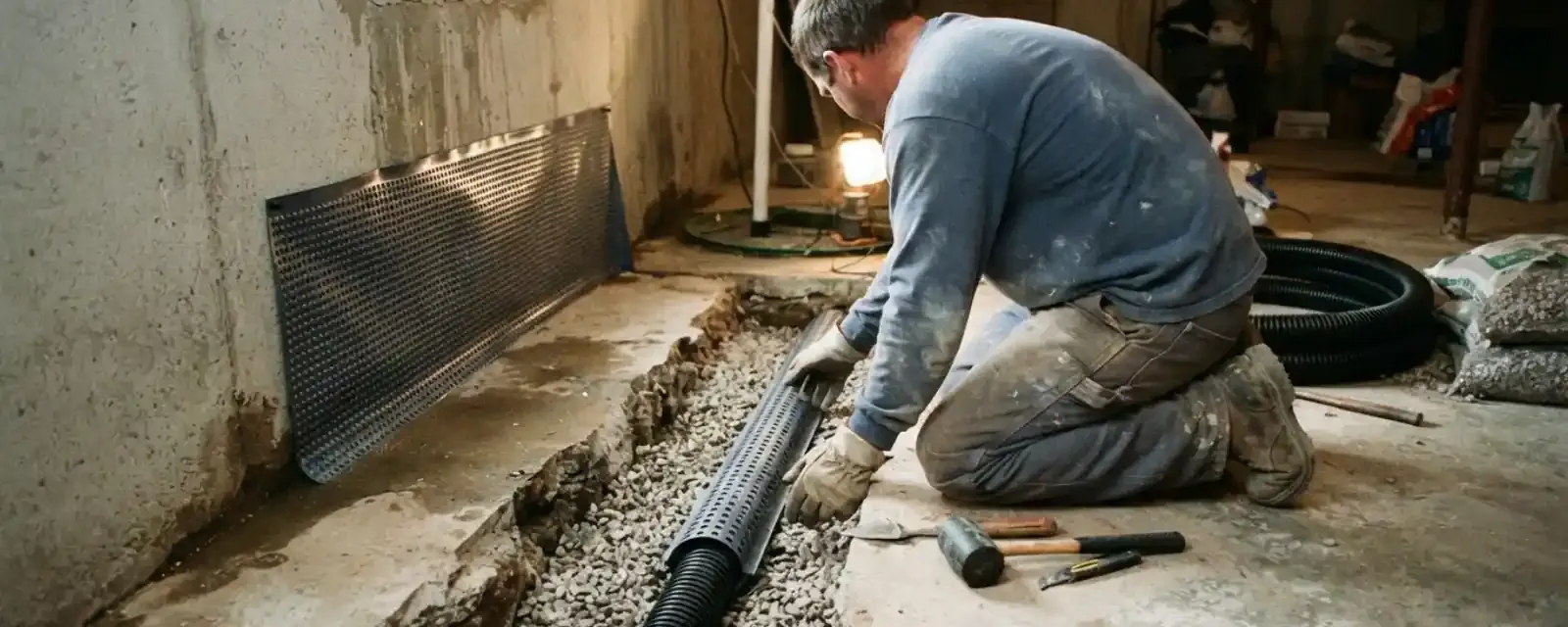
Seepage, wall cracks and sewer backup need different fixes. Learn how waterproofing works in older Blue Island basements and how to choose the right one.
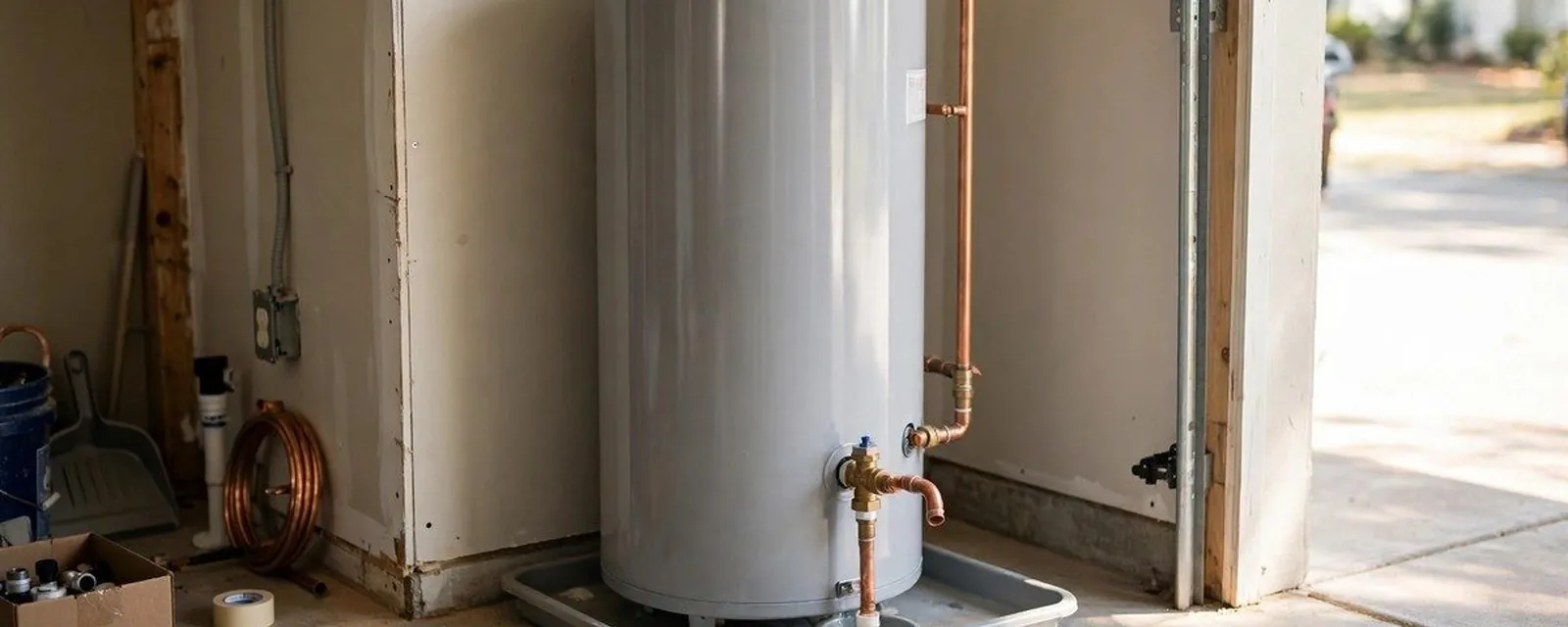
Tank or tankless, gas or electric, vent changes and access all move the price of a water heater replacement. See the factors and what to ask for in a quote.
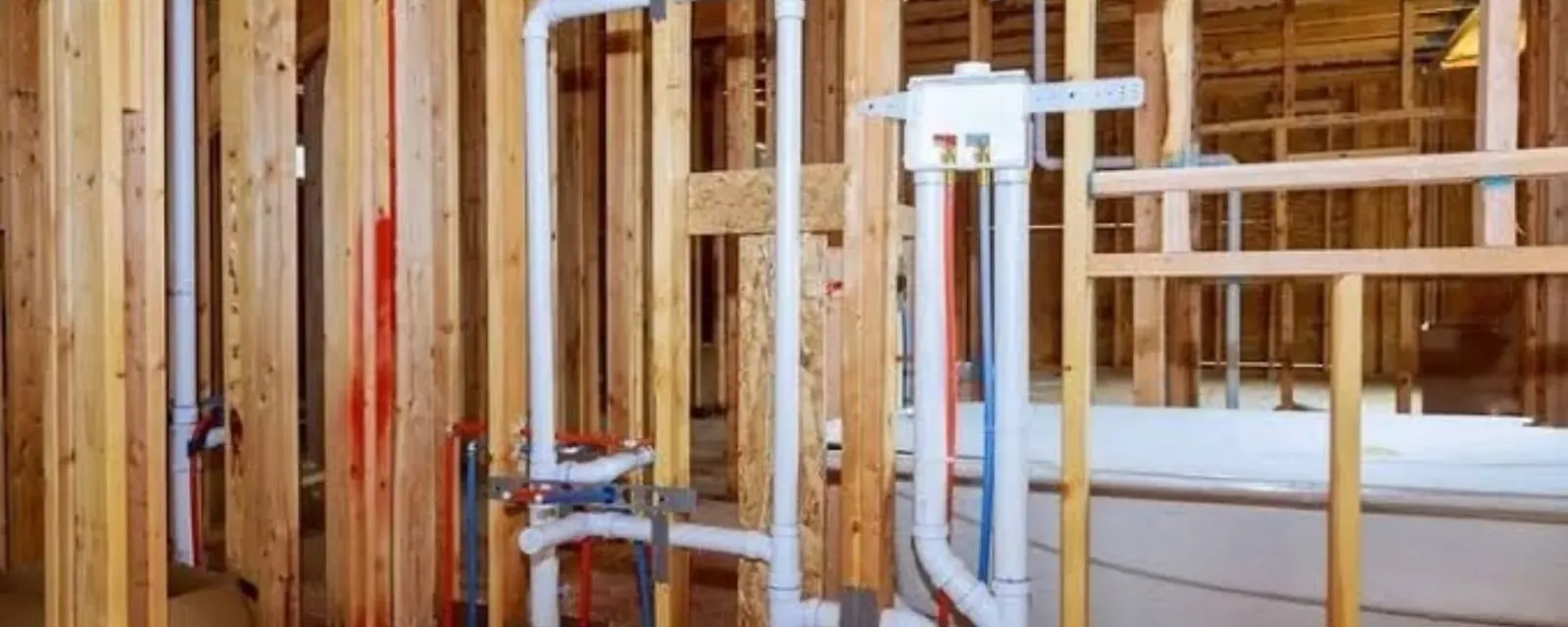
Gurgling, slow drains and sewer smell may mean a blocked plumbing vent. See the symptoms, the usual causes and when a Blue Island plumber should step in.
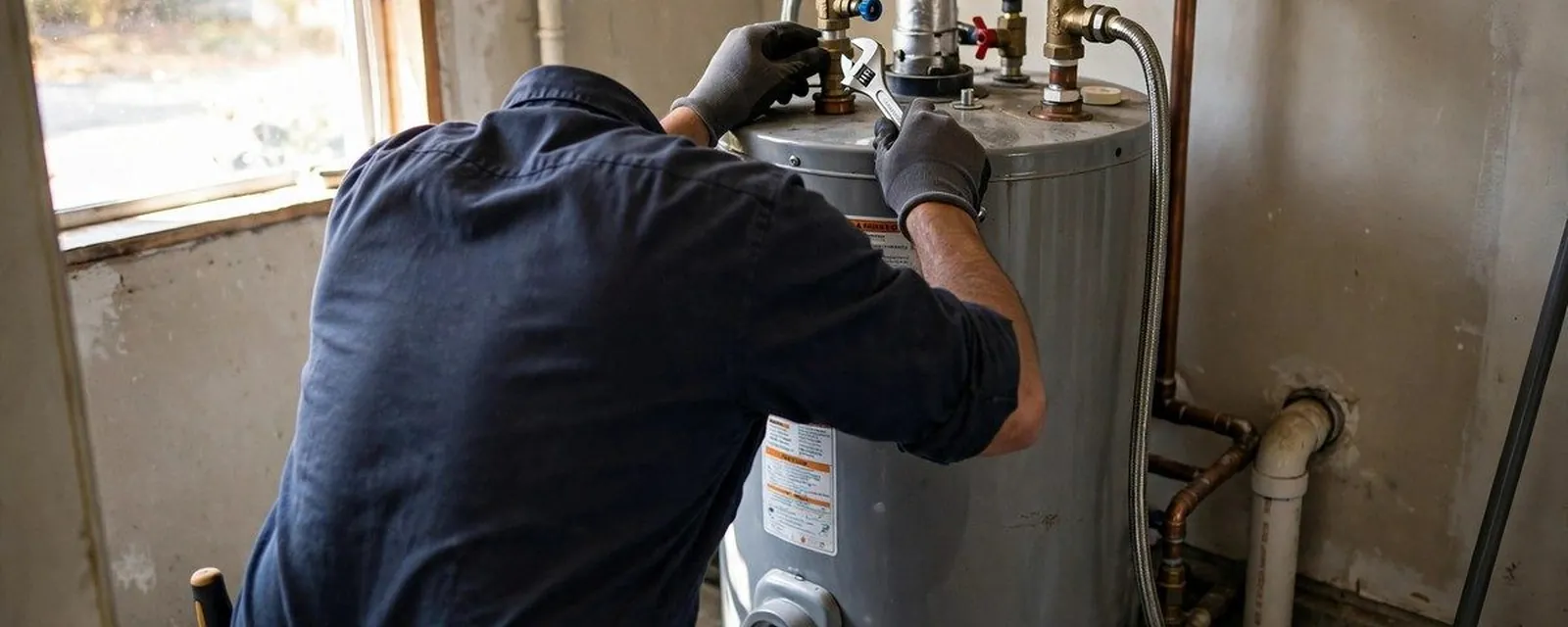
Permit rules for water heaters vary, and Blue Island's city page does not spell them out. See who pulls permits under section 150.052 and who to call.
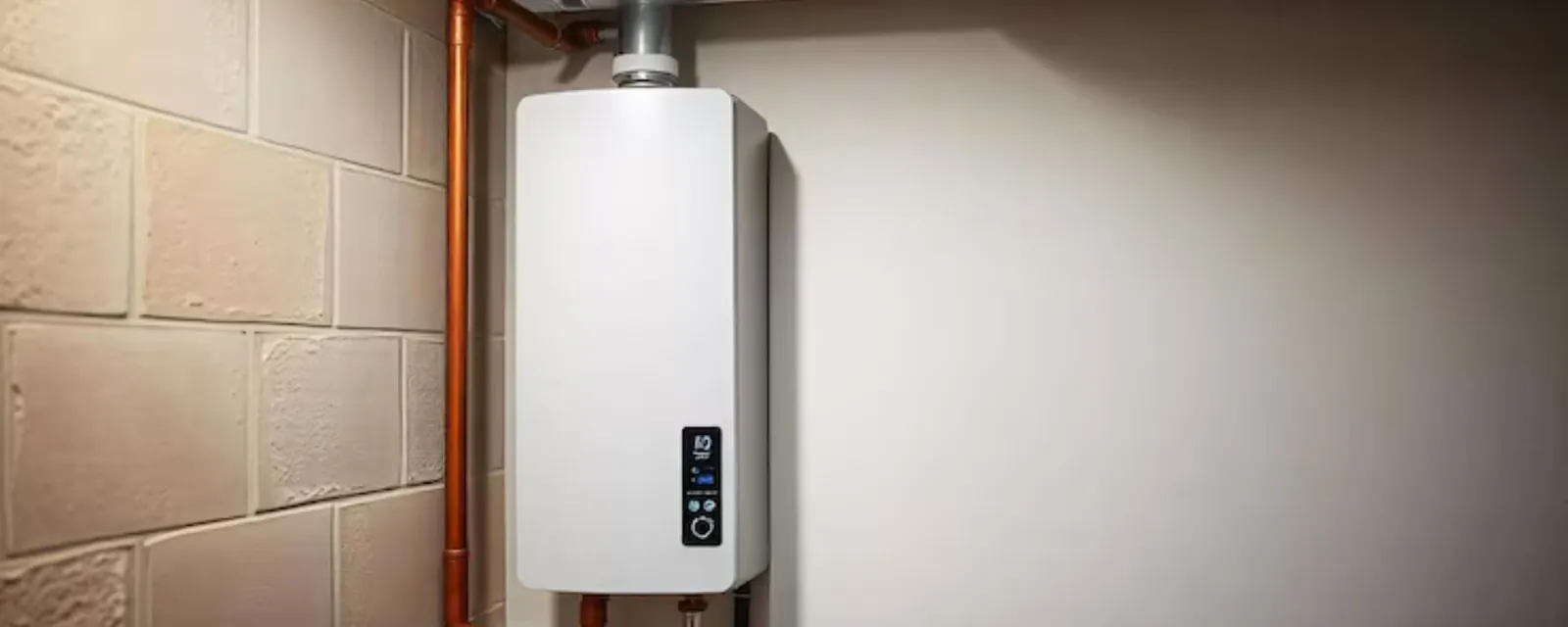
Cold bursts, error codes, scale and frozen vents are the common reasons a tankless heater fails. See what to check safely and when to call a Blue Island plumber.
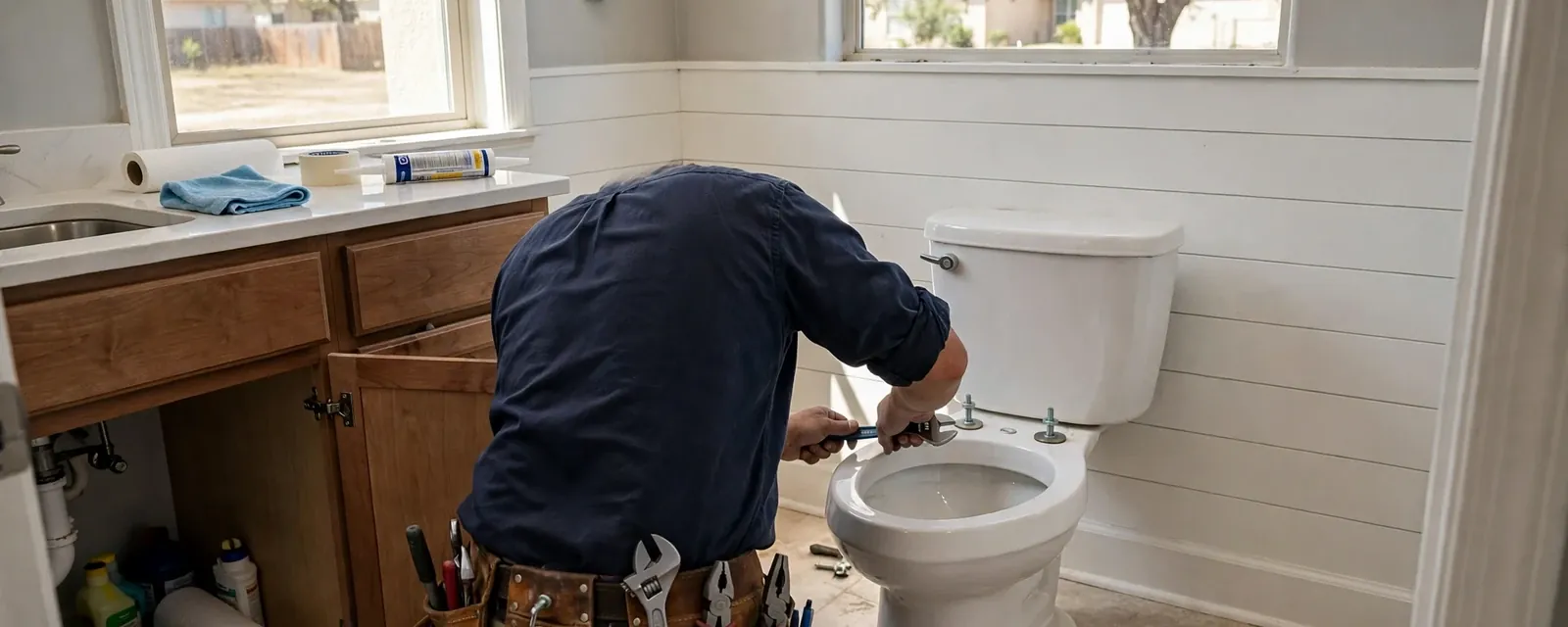
Step-by-step help for a clogged toilet bowl in Blue Island, IL: the plunger method, a safe backup, and the signs that mean the problem is deeper.
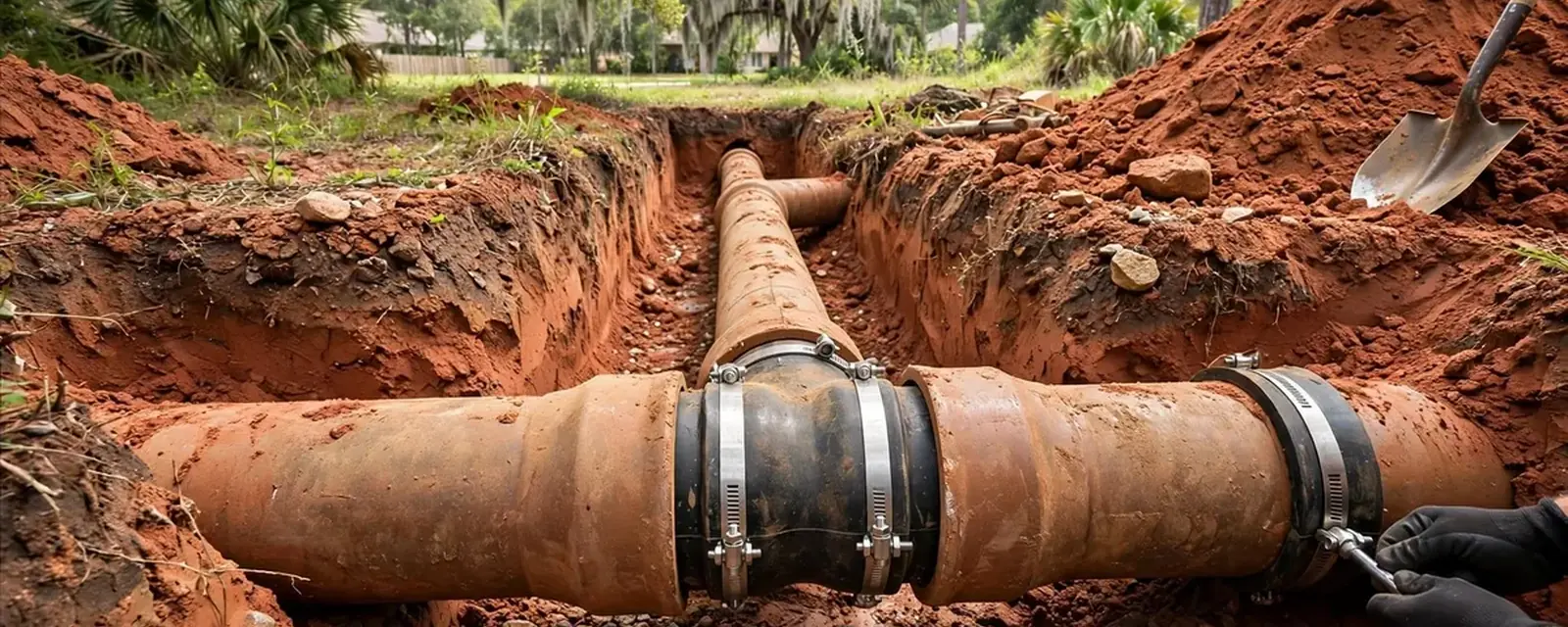
Sewer main line repair in Blue Island, IL explained: warning signs, combined sewer facts, city versus MWRD pipes, repair methods and permit steps.
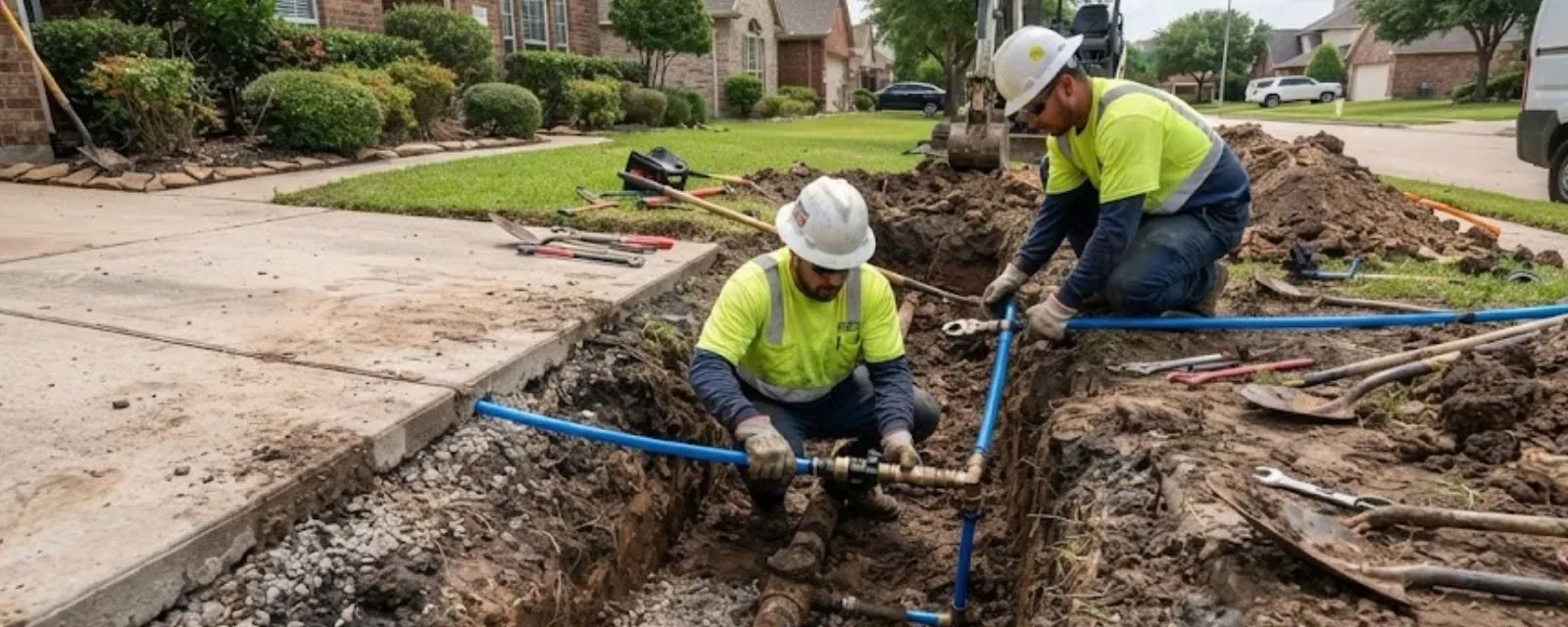
How to read your water meter, run a no-use leak test and decide whether a high Blue Island, IL water bill means a hidden leak or just heavy use.
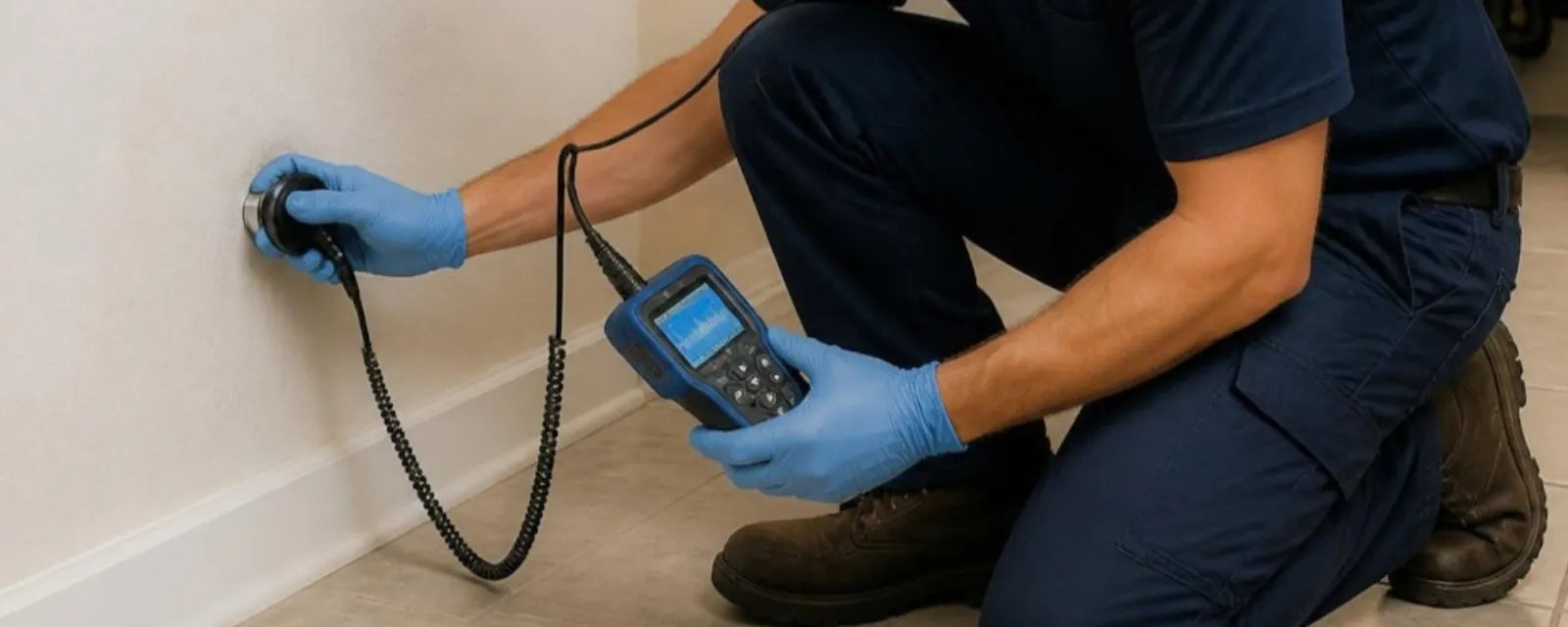
Detecting a leak in the house starts with the symptoms: stains, warm floors, musty smells and pressure drops. See what each one means in Blue Island, IL.
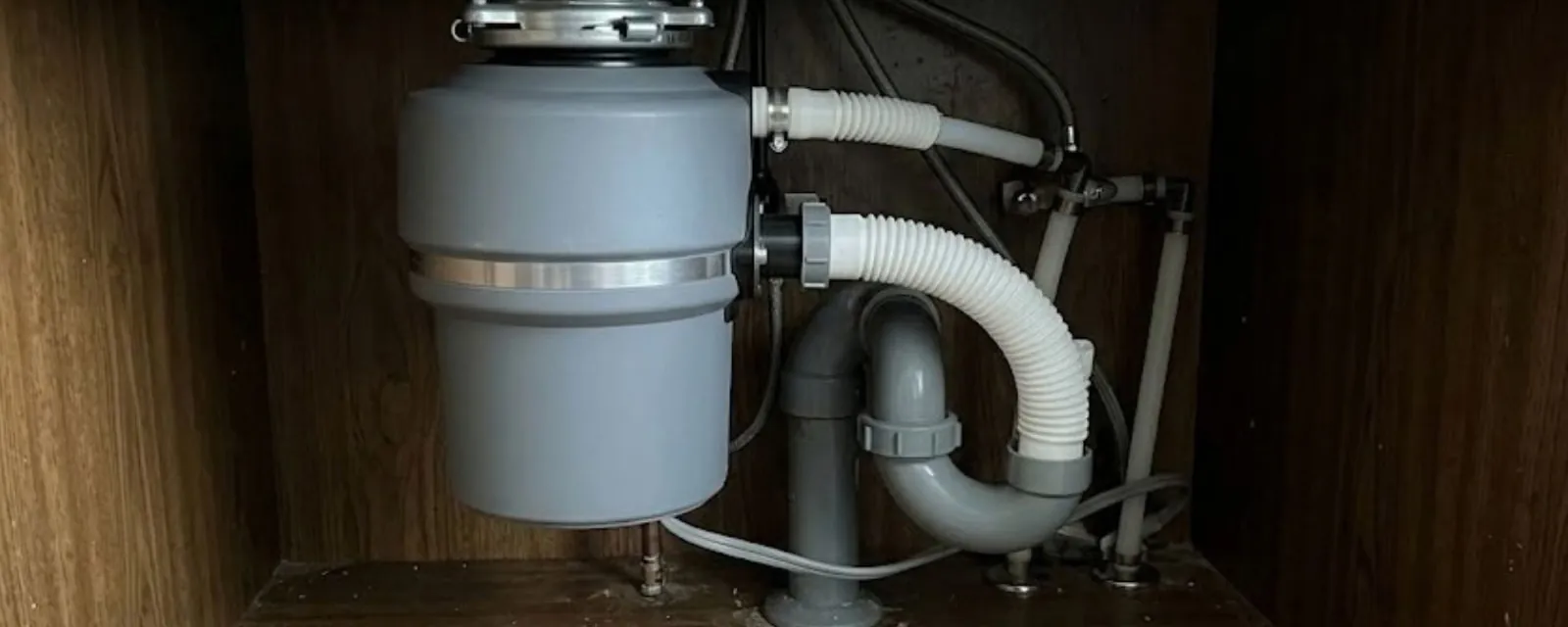
Garbage disposal installation in Blue Island, IL: choosing a unit, the steps involved, wiring and dishwasher hookups, and when to bring in a licensed plumber.
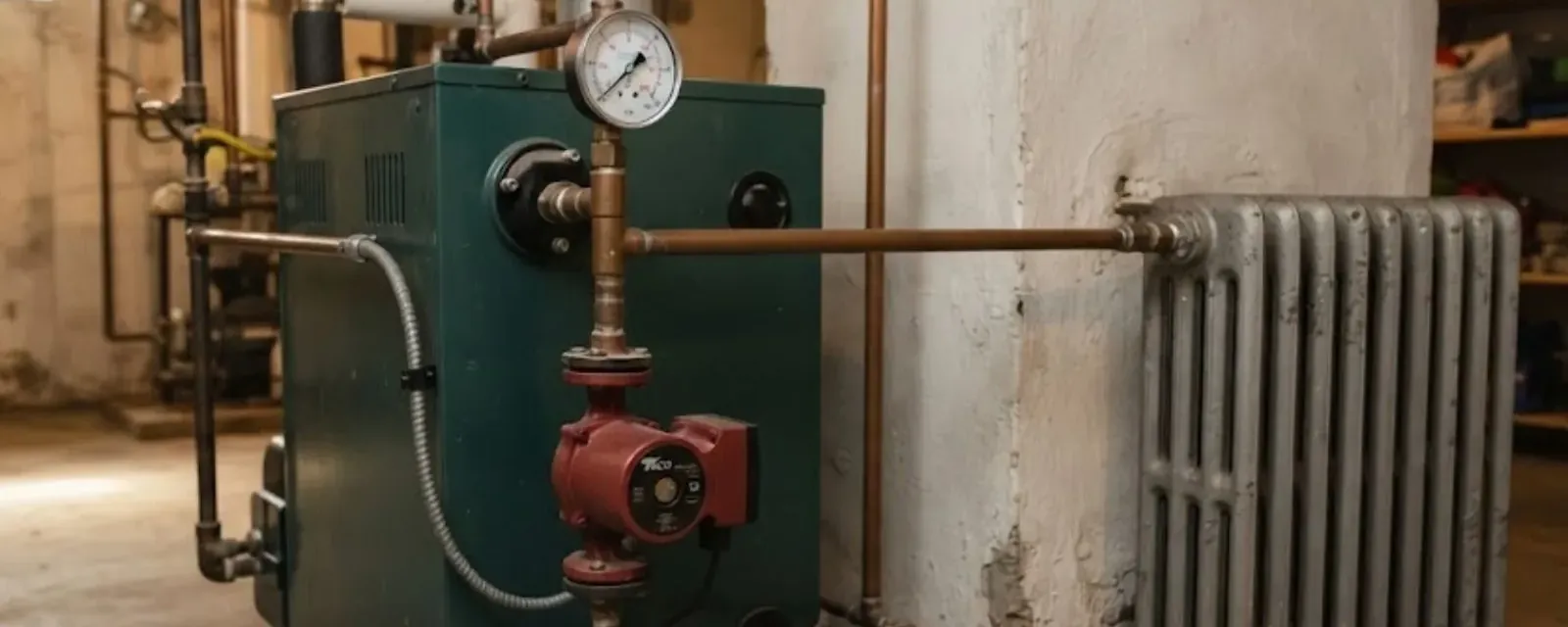
Boiler valve repair in Blue Island, IL: how pressure relief and fill valves work, what a homeowner can safely check, and when a licensed plumber is needed.
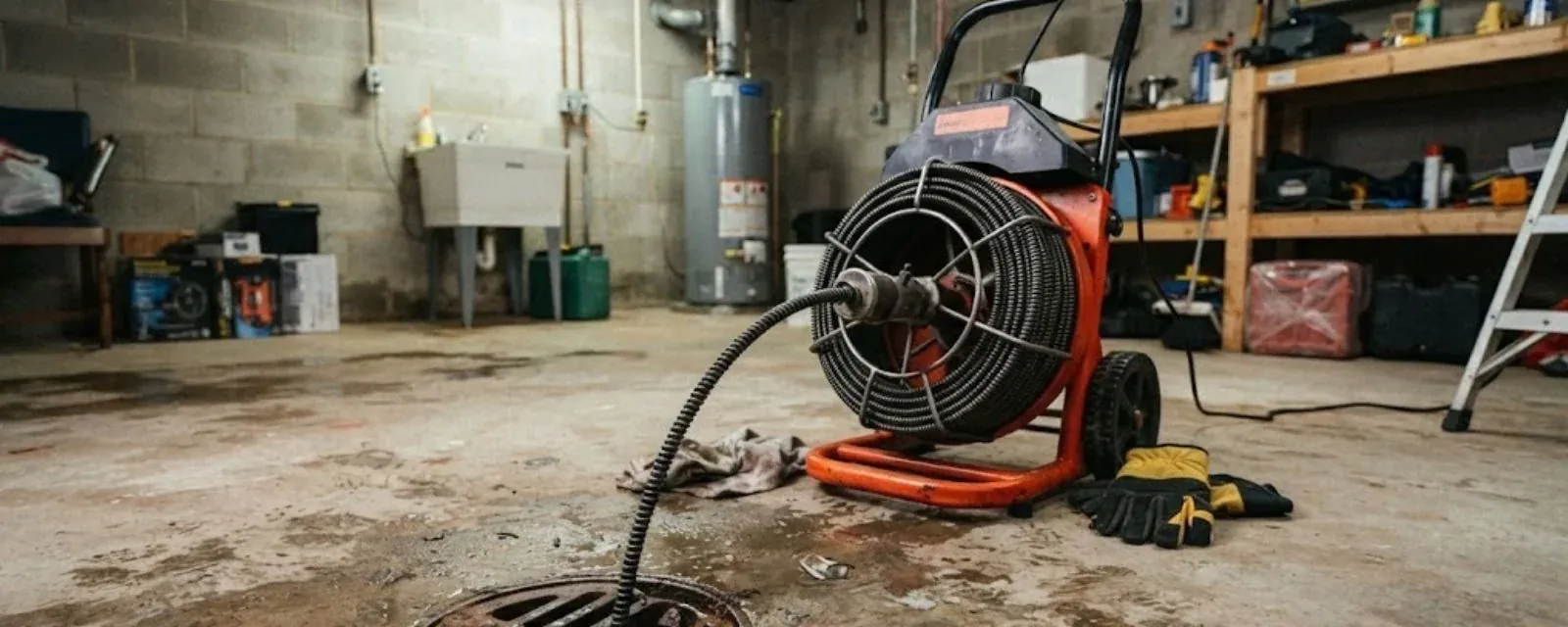
Prevent clogged drains in Blue Island, IL with simple kitchen, bathroom and laundry habits, a quarterly check and upgrades for older pipes and combined sewers.
Call (773) 207-0518 and ask a plumber directly. The line is open 24/7.