Good plumbing installation is decided before the first pipe is cut. In Blue Island, that means knowing which jobs need a city permit, who is allowed to pull it, and where the new lines will connect to old ones. Call (773) 207-0518 to talk through a bathroom addition, a kitchen move, a basement rough-in or a new fixture, and we will plan the work with you.
This page covers planned work only. If water is already on the floor, use the 24/7 emergency line instead and we will treat the installation as a later step.
Permits and licenses: what Blue Island asks for
Blue Island code section 150.052 requires a plumbing permit for plumbing installation and repair. The application goes to the city's Building Safety Department, and the Plumbing Inspector verifies that the applicant holds a valid plumbing license or is the owner-occupant of a single-family residence. The permit is presented to the Department of Water and Sewer before work begins.
A licensed plumber applies as the owner's agent, and the code requires the contractor to call the Plumbing Inspector before pipes are covered. Final water start follows inspection. Ask Building Safety at City Hall, 13051 Greenwood Avenue, about your exact job before you buy materials, since a small change in scope can change what the permit covers.
State law backs this up. The Illinois Plumbing License Law, 225 ILCS 320, requires municipal plumbing inspectors to be licensed plumbers and bars permits without license verification. You can check any plumber on the Illinois Department of Public Health plumbing license lookup.
Jobs we plan and install
Most installation calls fall into one of these groups.
New fixtures
Sinks, toilets, tubs, showers and laundry boxes connected to existing supply and drain lines.
Basement bathrooms
Rough-in plumbing for a new bath, including drain slope, venting and a way to move waste up when gravity will not work.
Kitchen moves
Relocating a sink, dishwasher or disposal, which may mean new supply stops and a new drain run.
Water lines to new spaces
Hot and cold supplies for additions, garages and outbuildings, sized to the new demand.
Appliance hookups
Water supply and drain connections for washers, ice makers and filtration units.
Planning a new bathroom or line?
Call (773) 207-0518 and describe the space. We will talk through permits, timing and what the walk-through will cover.
From first call to final inspection
Planned plumbing runs in a set order. Skipping a stage is how a rough-in ends up behind drywall before anyone checks it.
Walk-through and scope
We look at the space, the nearest supply and drain lines, and where vents will run, then write the price before work starts.
Permit and scheduling
The permit goes in through Building Safety, and any utility locates are scheduled if digging is involved.
Rough-in
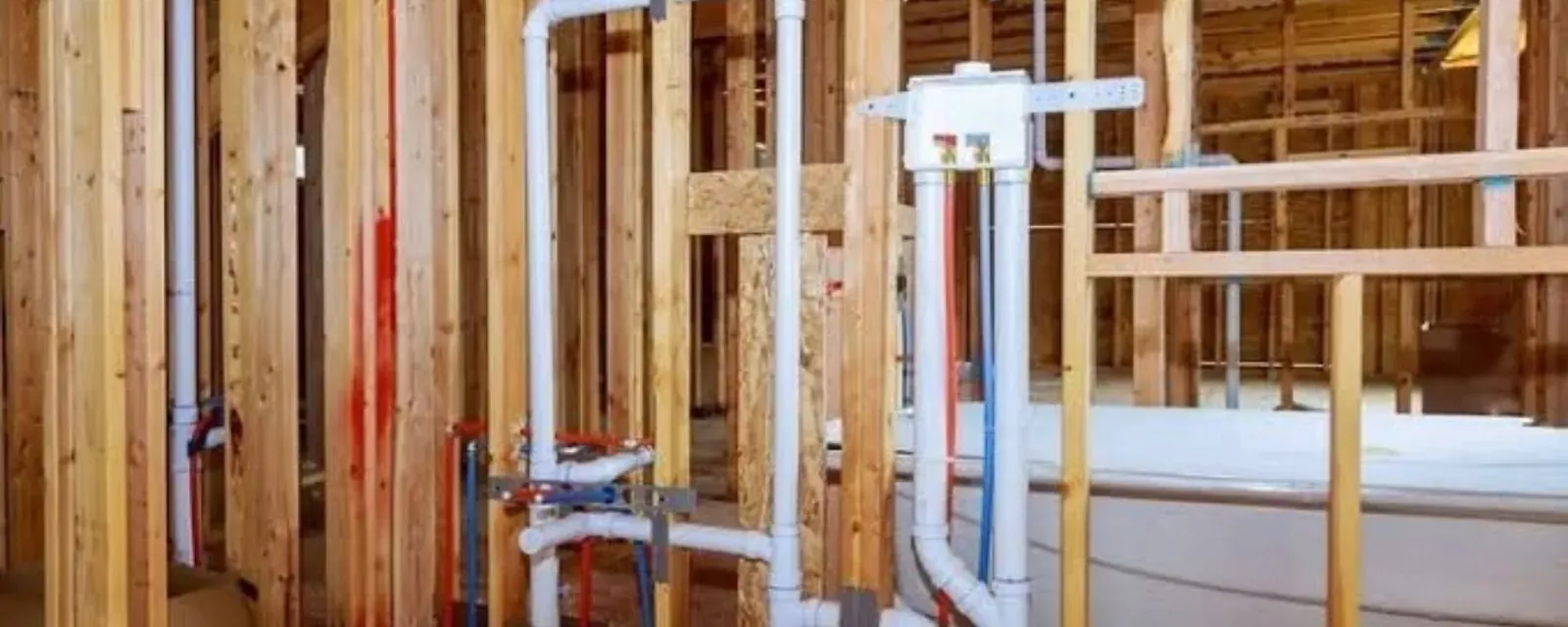
Supply, drain and vent lines are installed and pressure tested, and the Plumbing Inspector is called before anything is covered.
Fixtures and final
Fixtures are set and connected, the system is tested again, and the inspector signs off before final water start.
Digging for a new line? Call 811 first
A new water service, sewer lateral or yard line needs a utility locate before a shovel goes in. In Illinois you call 811 (JULIE), and the excavator makes the call, not the homeowner. JULIE asks for at least two working days notice, and the tolerance zone is 18 inches on each side of a marked line, where digging must be by hand or vacuum.
The Illinois Plumbing Code, 77 Ill. Adm. Code 890, puts the water service pipe at least 36 inches deep or below the frost line, whichever is deeper. Plan the trench and the locate dates together, or the job stalls.
Which kind of installation are you planning?
The scale of the job decides the schedule, the permit work and the disruption.
| Job | What it involves | Planning note |
|---|---|---|
| Like-for-like fixture swap | New faucet, toilet or tub in the same spot | Often one visit, ask Building Safety about the permit |
| Added fixture on an existing wall | New supply, drain and vent to a nearby line | Needs a permit and rough-in inspection |
| Basement bathroom | New drain, vent and supply, possibly a sewage ejector | Check the existing drain depth before design |
| Kitchen relocation | Moved sink, drain and appliance lines | Coordinate with cabinet and electrical timing |
| New outdoor line or service | Trenching, locate and new pipe | 811 locate first, depth per Illinois Plumbing Code |
Tying new plumbing into Blue Island's older homes
About 64.7% of Blue Island housing was built before 1970, and the median home dates to 1961. New fixtures in homes that old may connect to iron, galvanized or mixed older drain and supply lines. We check what the new work will tie into before quoting, because connecting copper or PEX to corroded galvanized can fail at the joint.
Each main building in Blue Island needs its own water service pipe, tap and meter, with a shutoff just ahead of the meter, under city code section 52.009. That matters for additions and detached units. A new building cannot simply borrow the main house's line.
In the Olde Western Avenue Historic District or on a landmarked property, exterior work can need a Certificate of Appropriateness. Call Building Safety before planning visible changes.
New fixtures, lines and appliances are what Blue Island code section 150.052 calls plumbing installation, so a permit comes first. The Illinois Plumbing Code (77 Ill. Adm. Code 890) governs the work. The plumber must also call the city's plumbing inspector before any pipe is covered.
New-construction and addition work follows the same permit path as repairs: a licensed plumber pulls the plumbing permit under section 150.052, and the inspector must see rough-in pipes before they are covered. Plan your plumbing rough-in dates around that inspection, because a covered pipe that has not been seen has to be opened up again.
What drives the cost of plumbing installation
Quotes vary because jobs vary. You will get the price before work starts, in writing, with the scope spelled out.
Insurance generally covers sudden accidental damage, not planned upgrades. Gradual leaks, wear and sewer backup often need a specific endorsement, so check your policy. Want your real number? Call (773) 207-0518.
Before you hire for plumbing installation
City code section 150.052 requires permits for plumbing installation and repair, applied for at the Building Safety Department by a plumber as the owner's agent. The inspector checks for a valid license or owner-occupant status.
For a small fixture swap, ask Building Safety at City Hall before you assume either way.
The code lets an owner-occupant of a single-family residence apply for the permit, but the work still has to pass inspection. Many owners hire a licensed plumber for rough-in and leave finish work to themselves.
Use the Illinois Department of Public Health plumbing license lookup. Plumbing contractors working in Blue Island must also be registered with the city, and the city asks for the state IDPH licenses on file.
It depends on drain depth, slab work and inspection scheduling, so we do not give a blanket number. The walk-through settles the plan.
We do both. Installation work often starts with a look at the old line, and our drain cleaning and repiping teams handle the problems that turn up.
Installation is planned work and runs on a schedule. The 24/7 emergency line is for active problems such as leaks and backups.
Leave the building right away and call 911 or your gas utility from outside. Do not flip switches, use a phone inside, or try to find the source yourself. Gas line problems are a safety matter first and a plumbing job second.
Once the utility has cleared the building, call (773) 207-0518 and describe what was being installed so the right licensed plumber can follow up.